Football
How The Goalkeeper Became A Distinct Position In Law
Early football had no goalkeeper in its rules, and the position was built up over decades through restrictions on where handling was permitted and how long the ball could be held.
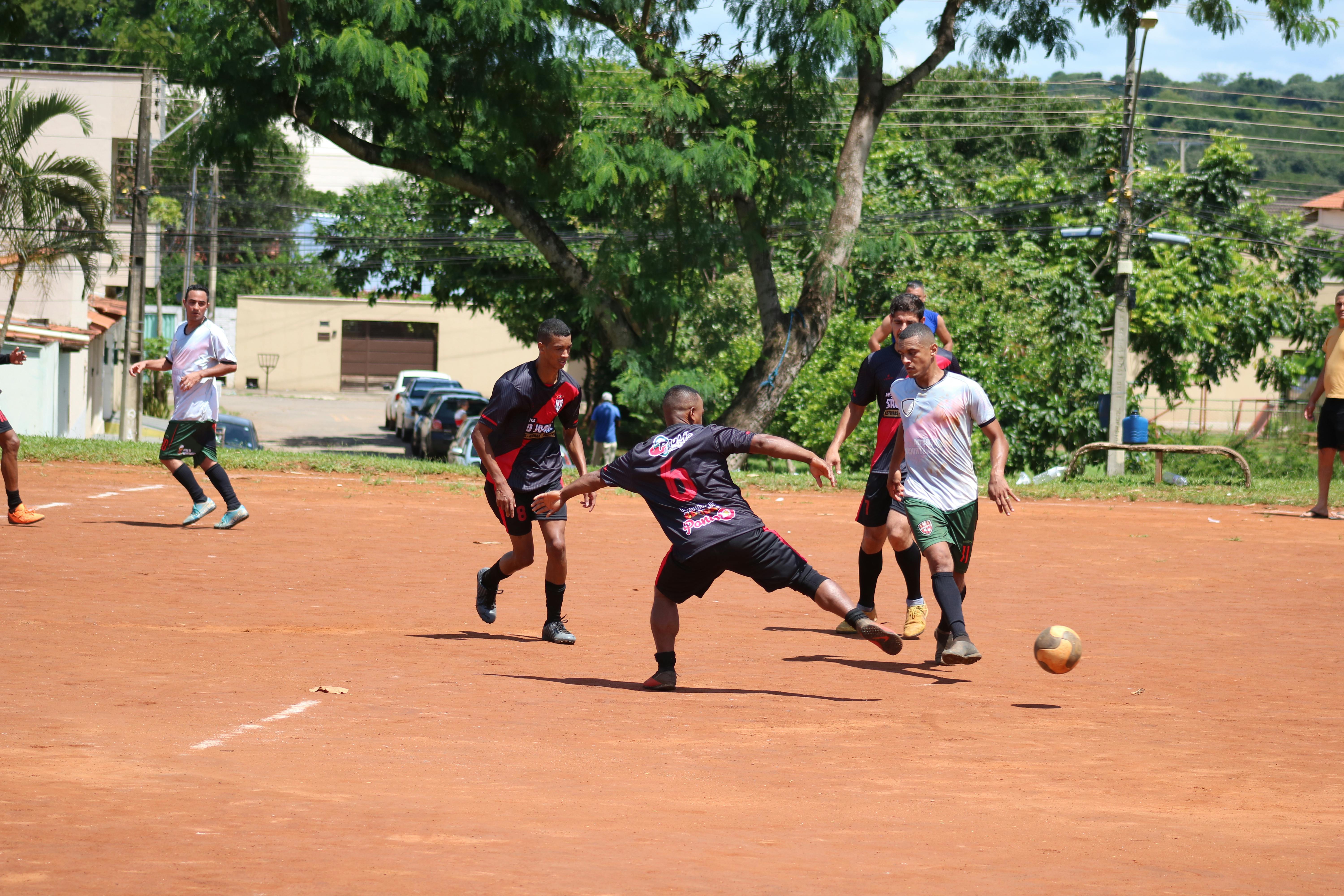
The earliest codes contained no goalkeeper. The position was assembled gradually through a series of laws that granted handling privileges and then steadily fenced them in.
Football before the specialist
When handling was banned outright, no player had special rights, and defending the goal meant standing in front of it and kicking the ball away like anyone else.
Teams naturally left someone back, but that was a tactical habit rather than a legal category. The laws recognised eleven identical players.
The first recognition came when one player was permitted to use the hands, which created a legal distinction that tactics had already anticipated.
Where handling was allowed
The initial privilege was extremely broad. The designated player could handle the ball anywhere in his own half, which produced a very different game from the modern one.
That freedom let goalkeepers advance far upfield and catch, carry and clear from positions no modern keeper occupies, effectively acting as an extra outfield defender with hands.
The restriction to the penalty area came later, and it is the change that fixed the goalkeeper in place. The position's geography is a legal creation.
The limits on holding the ball
Once handling was area-bound, the remaining abuse was time. A goalkeeper could hold the ball, bounce it, and hold it again, consuming minutes at will.
Successive laws attacked this, first by limiting the number of steps, then by prohibiting the release-and-recatch cycle, and finally by imposing a time limit on possession.
Each amendment closed a specific technique that had been developed to exploit the previous wording, which is why the current law reads as a list of prohibitions.
The back-pass change and its consequences
Allowing a defender to pass back and the goalkeeper to pick it up created a loop that could be repeated indefinitely, and teams protecting a lead used it heavily.
Prohibiting the goalkeeper from handling a deliberate kicked pass from a teammate broke the loop and forced keepers to play the ball with their feet under pressure.
The technical demands of the position changed more from that single amendment than from anything else in its history. Selection criteria shifted towards distribution and control.
Why the position keeps drifting outward
With handling restricted, the goalkeeper's usefulness increasingly comes from being an extra passing option, which pulls the position back towards the roaming role it originally had.
Building play from the back requires a keeper who can receive under pressure, which reintroduces the risks the area restriction was meant to contain.
The result is a position defined by a narrow legal privilege but played across a wide area, a tension the laws have never fully resolved.


