Football
How The Back-Pass Ban Rewrote Defending
Prohibiting goalkeepers from handling deliberate passes from teammates was aimed at time-wasting, but it changed defensive technique and player selection far beyond that.
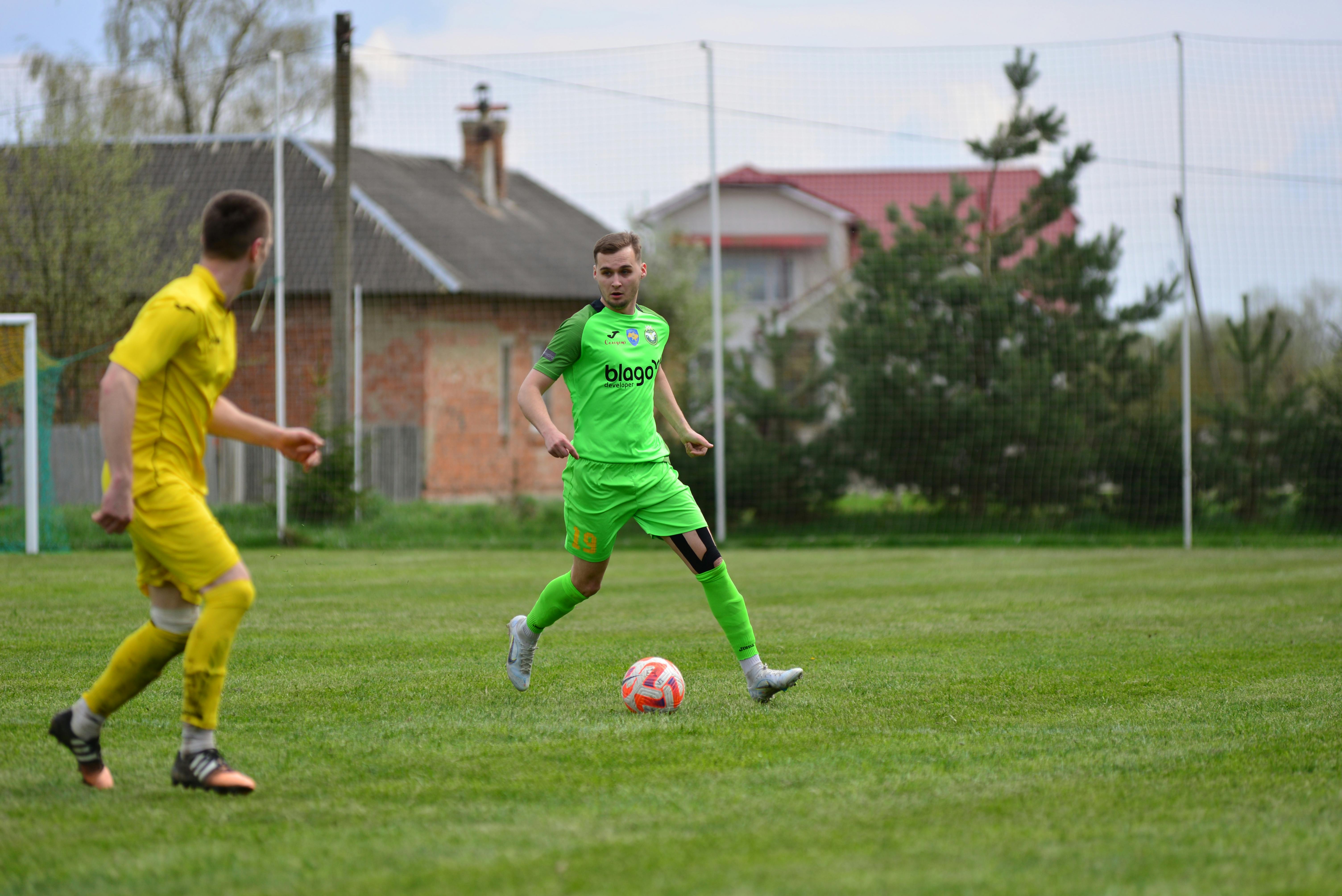
Prohibiting a goalkeeper from handling a deliberate kicked pass from a teammate was written to stop time-wasting. Its effects on defensive technique went far beyond the problem it addressed.
The tactic that forced the change
A side holding a lead could pass the ball back, have the goalkeeper collect it, hold it, release it, and receive it again, indefinitely and entirely within the laws.
No pressing scheme could break the cycle, because an opponent approaching the goalkeeper simply prompted another pick-up. The game could stop while the clock ran.
Tournaments where this became common produced matches in which long stretches contained no contest at all, and the pressure for legislation came from that visibility.
How the prohibition was drafted
The law had to distinguish a deliberate pass from a deflection or a mishit clearance, because penalising every backward touch would be unworkable.
It also had to specify the foot, since a header back to the goalkeeper remained legal. That distinction survives and produces the occasional deliberate chest or head pass under pressure.
The sanction chosen was an indirect free kick from where the handling occurred, which is severe enough inside the area to make the offence almost never worth committing.
What defenders had to learn
The safe outlet disappeared. A defender under pressure could no longer eliminate risk by returning the ball to a pair of hands, and had to choose between a pass and a clearance.
Positional habits changed accordingly, with defenders spreading wider and deeper to create passing angles rather than converging on the goalkeeper.
The first touch became a defensive skill rather than an attacking one, because receiving badly near your own goal now leads directly to a chance against you.
The change in goalkeeper selection
Goalkeepers had been chosen almost entirely for shot stopping, handling and command of the area. The new law added a requirement to control and distribute with the feet under pressure.
That requirement grew rather than stabilised, because coaches realised a competent passing goalkeeper effectively gives a side an extra player when building from the back.
Training changed to match, and the position now involves substantial outfield work that would have looked irrelevant to a goalkeeper a generation or two earlier.
Why pressing became viable
High pressing depends on the opposition having no safe reset, and before the ban the reset always existed. The law removed the escape valve that made pressing pointless.
Coordinated pressure on defenders in possession now produces turnovers close to goal, which is the single highest-value situation in the game.
The tactical systems built on that idea are downstream of a rule change aimed at clock management. Legislation intended to fix tempo ended up defining a style of play.


